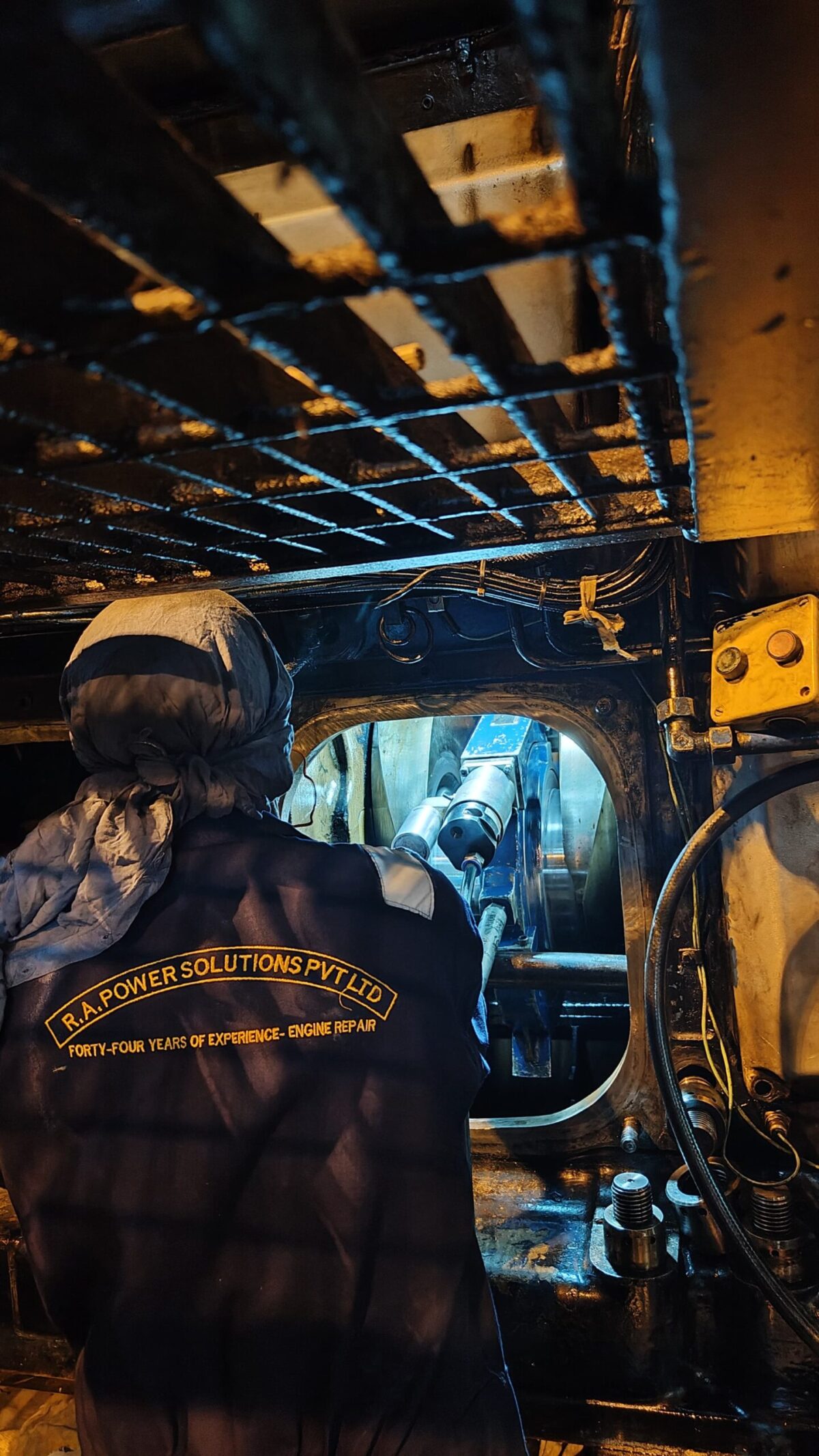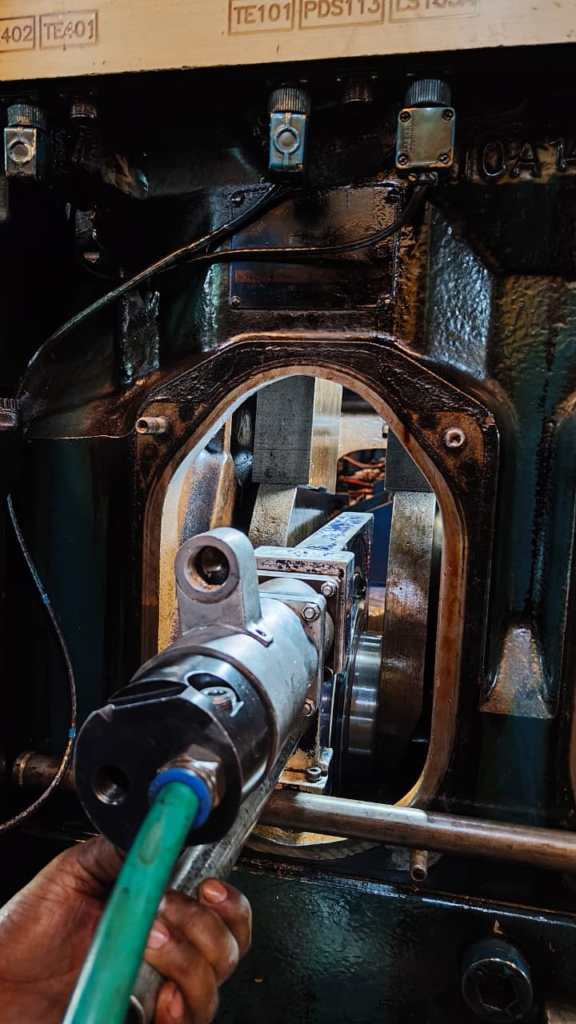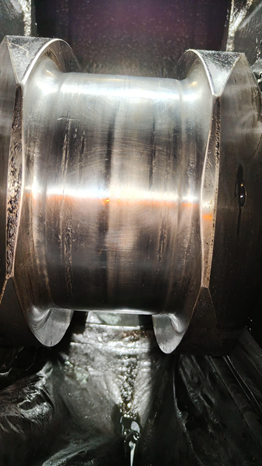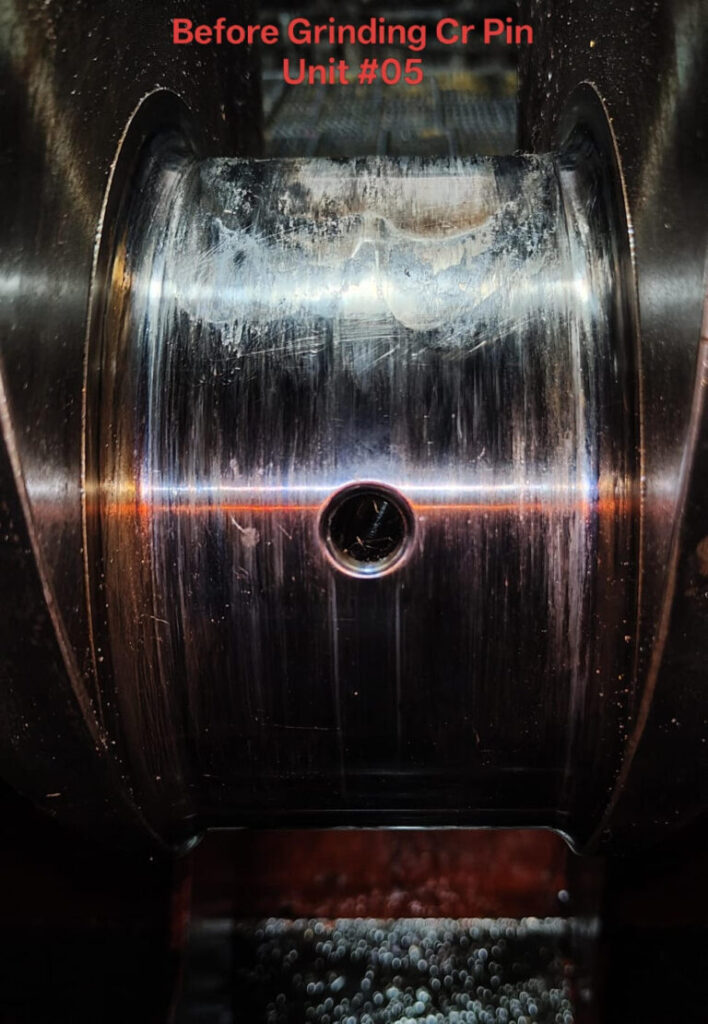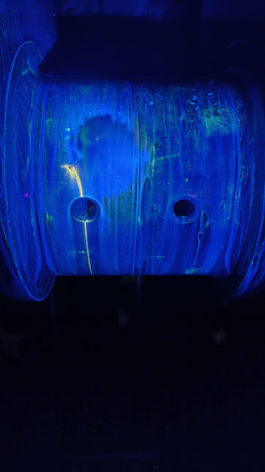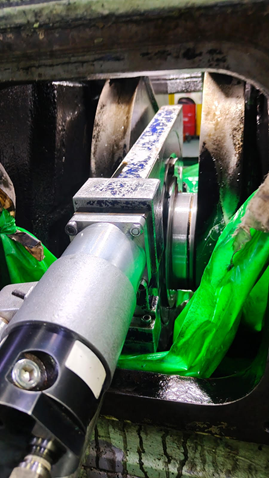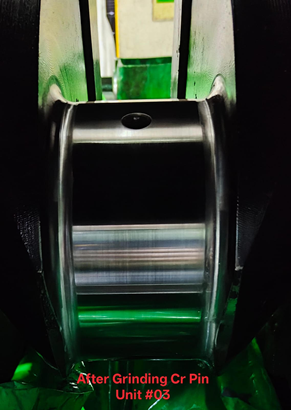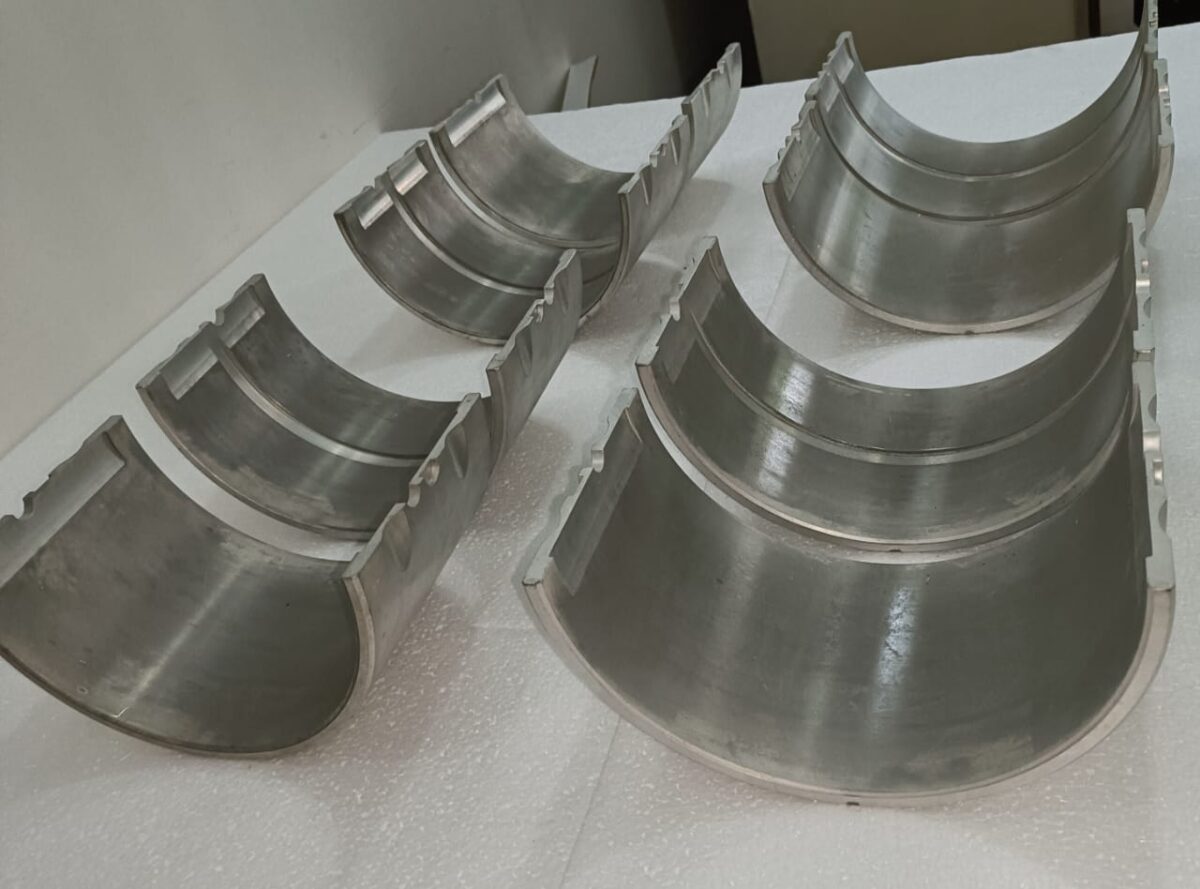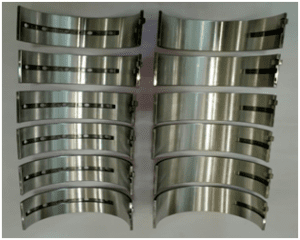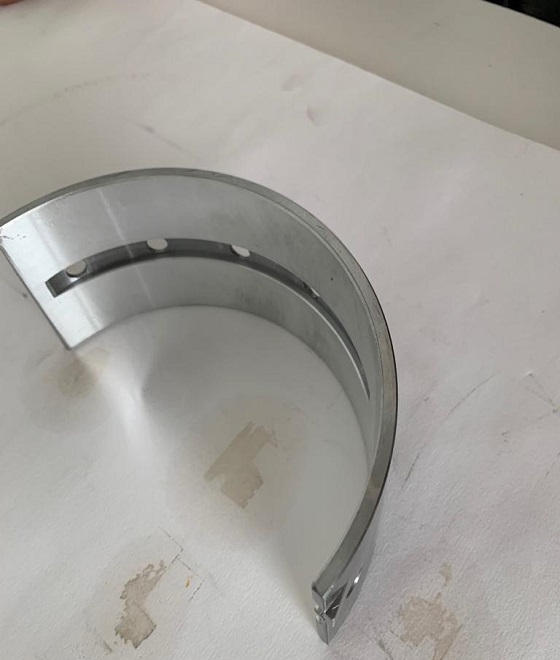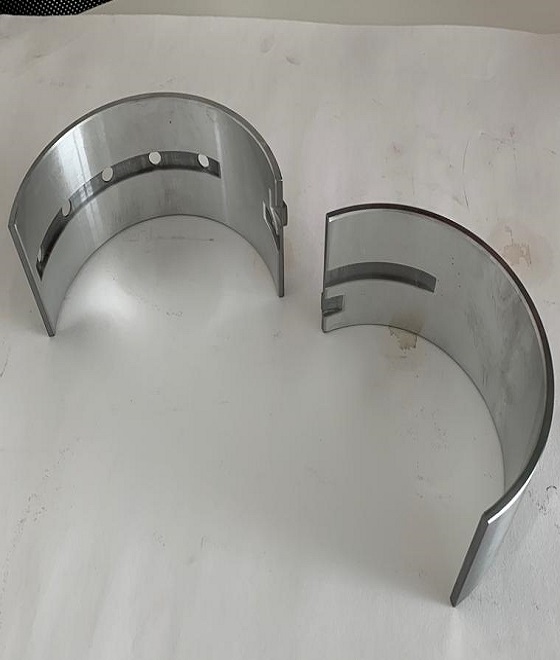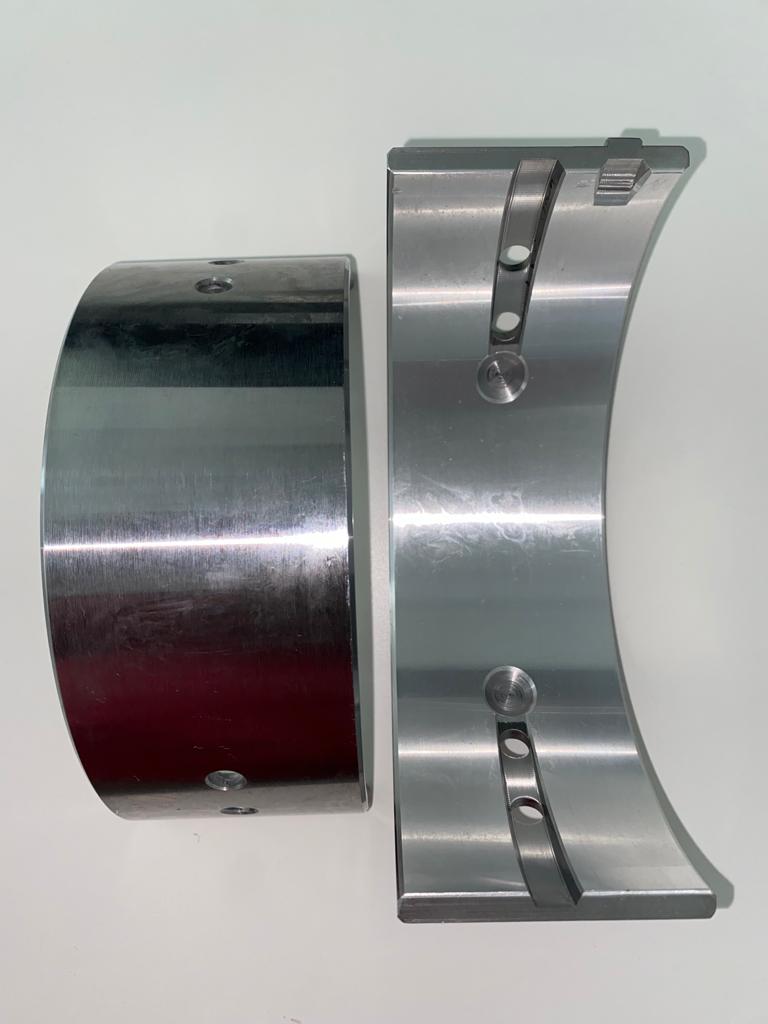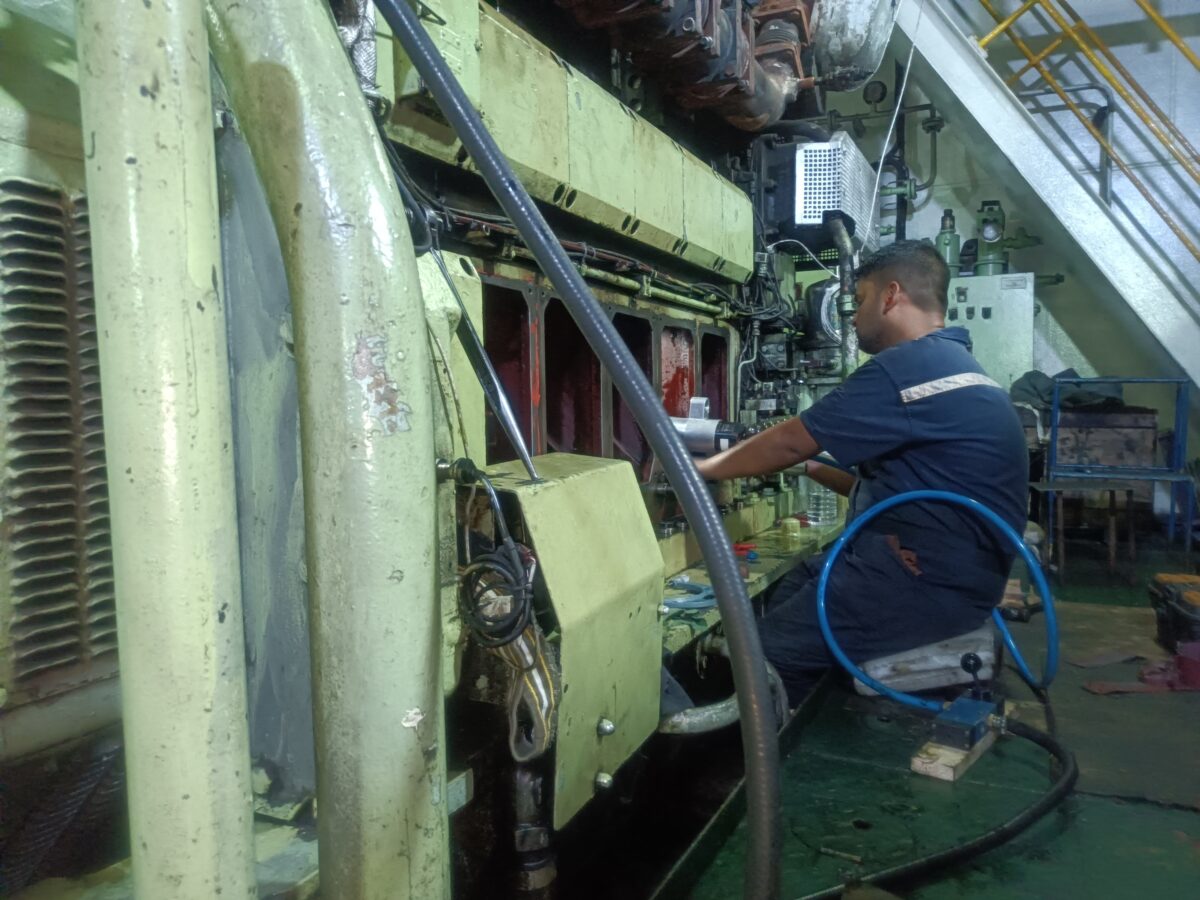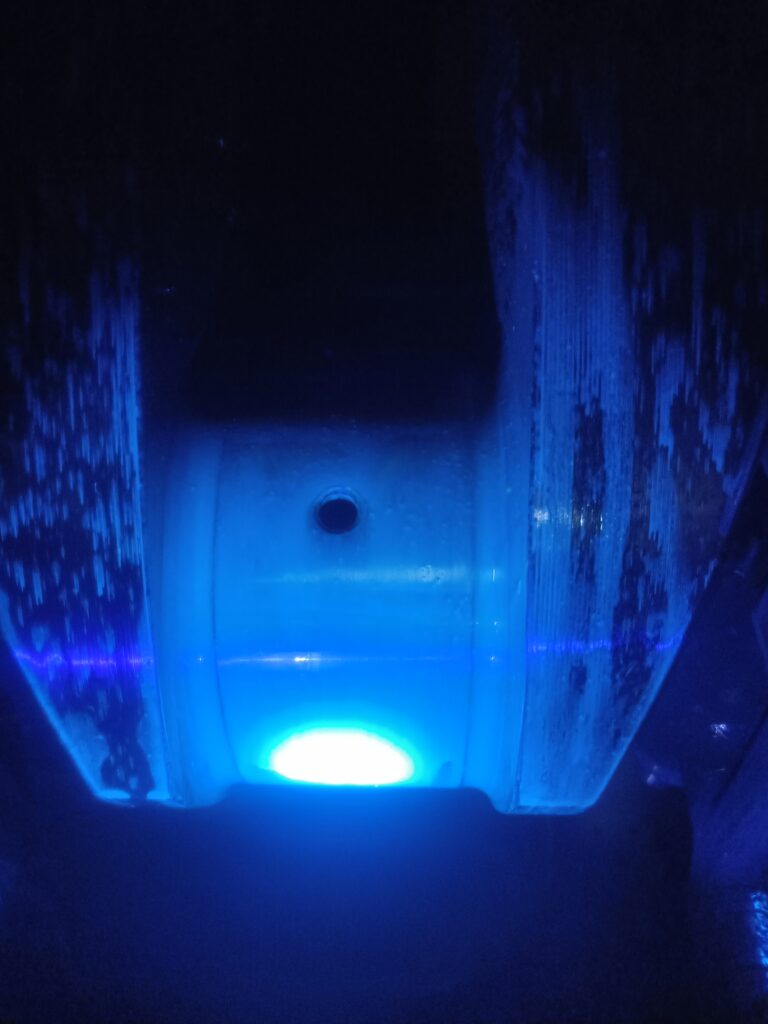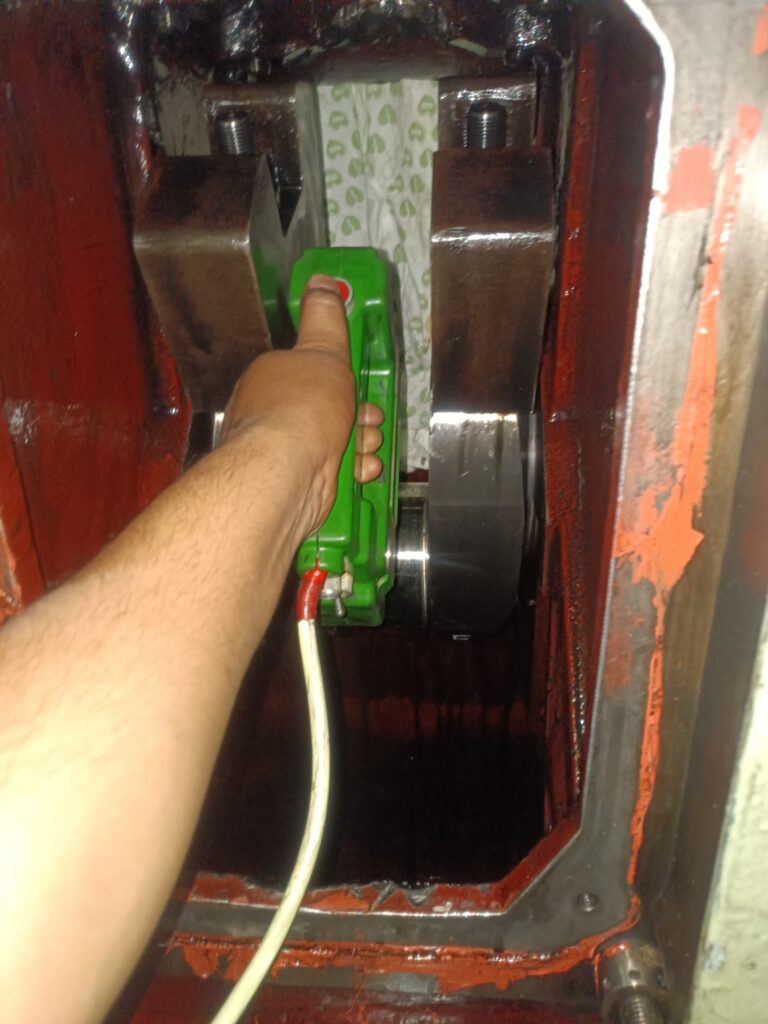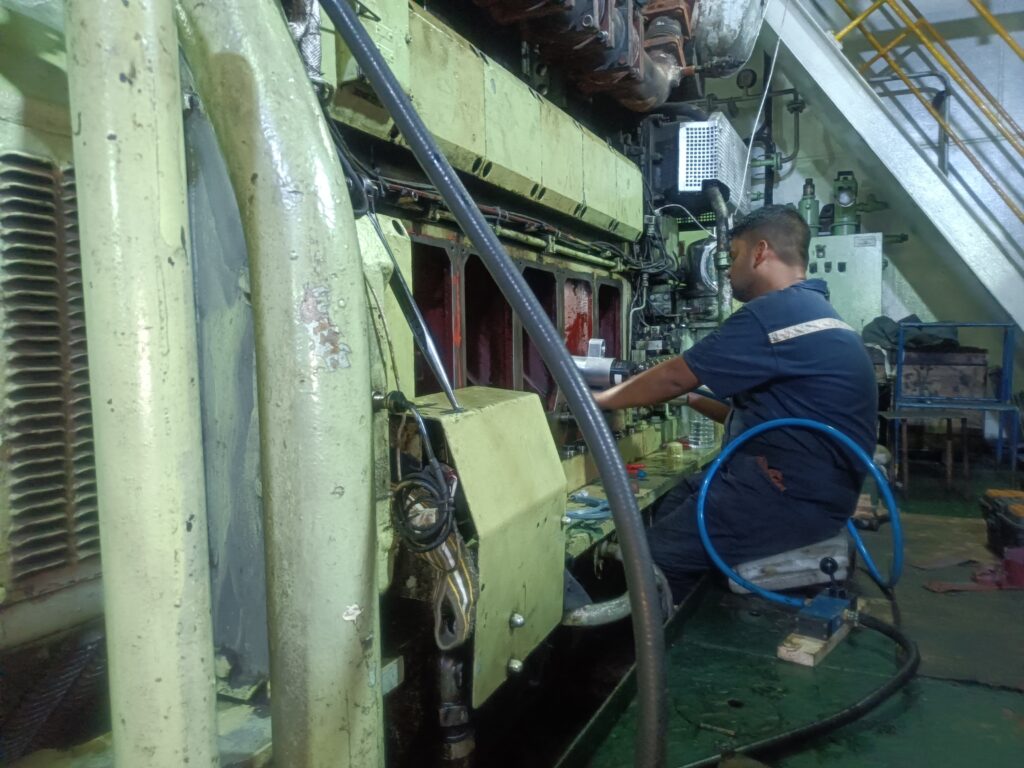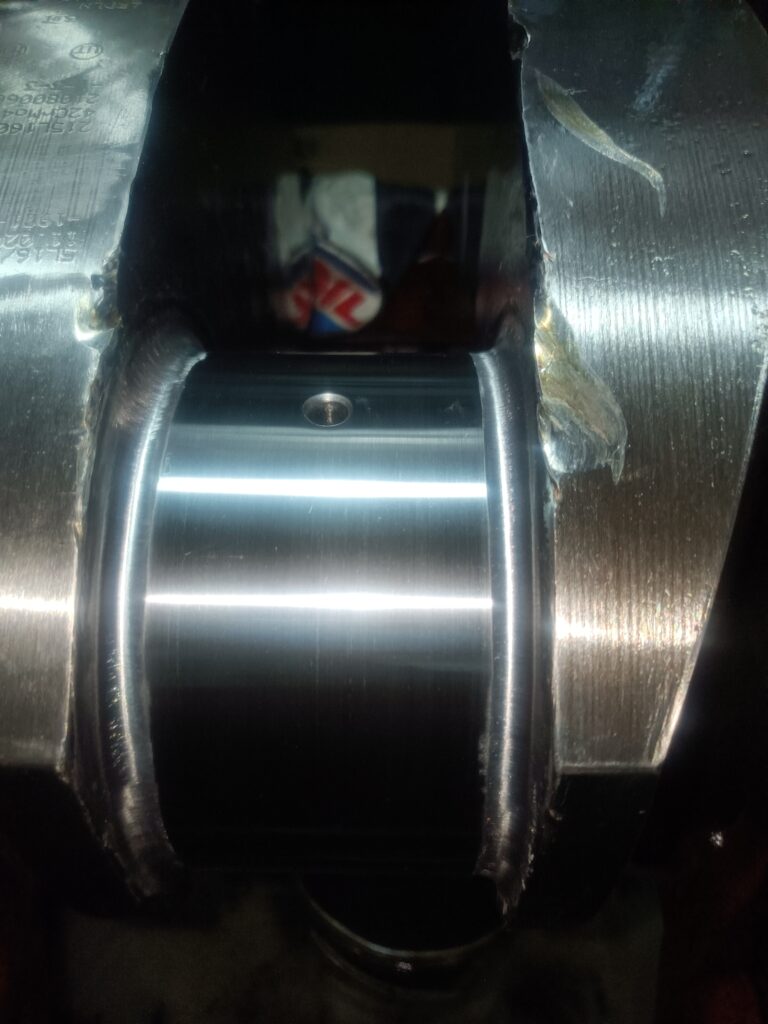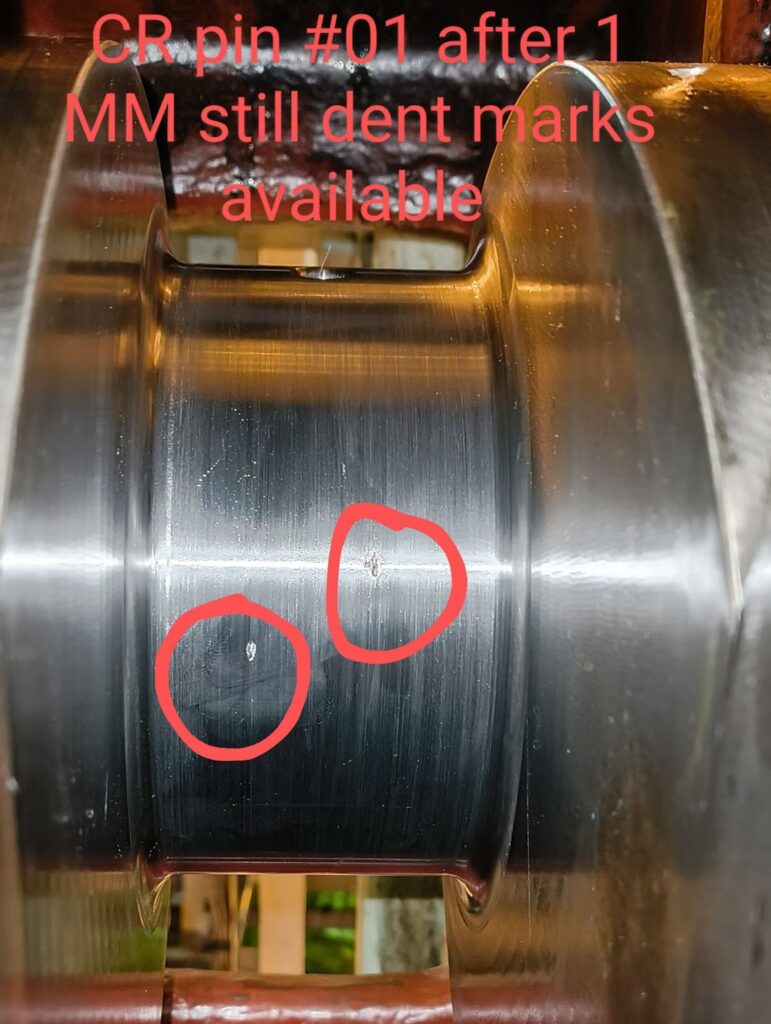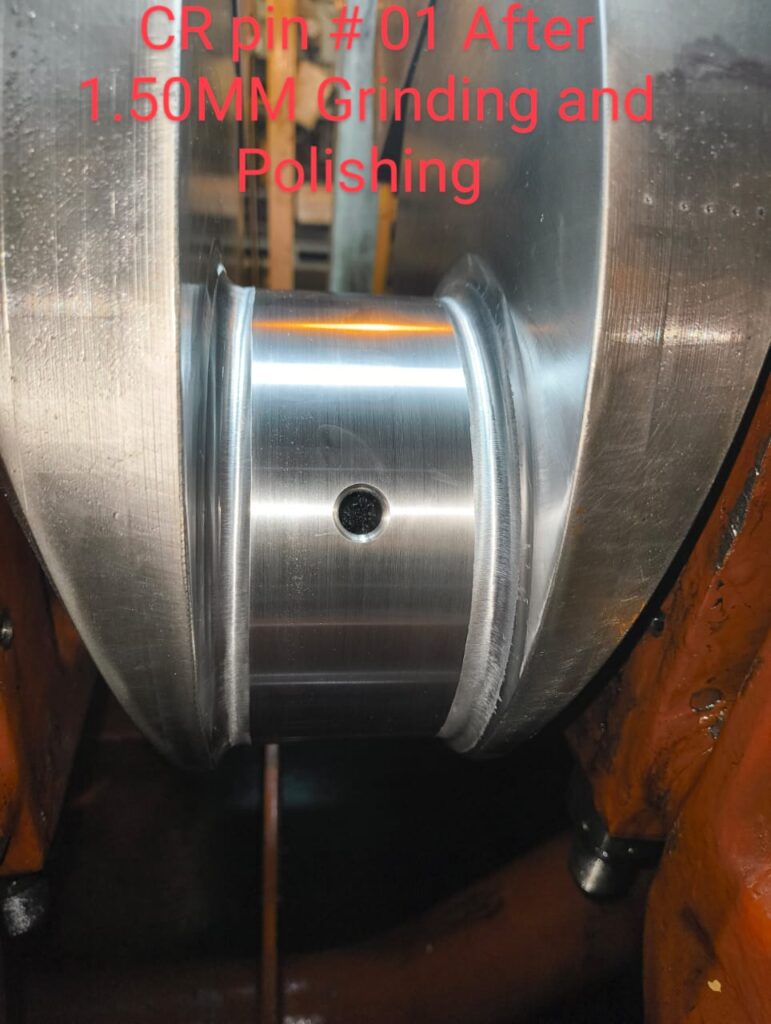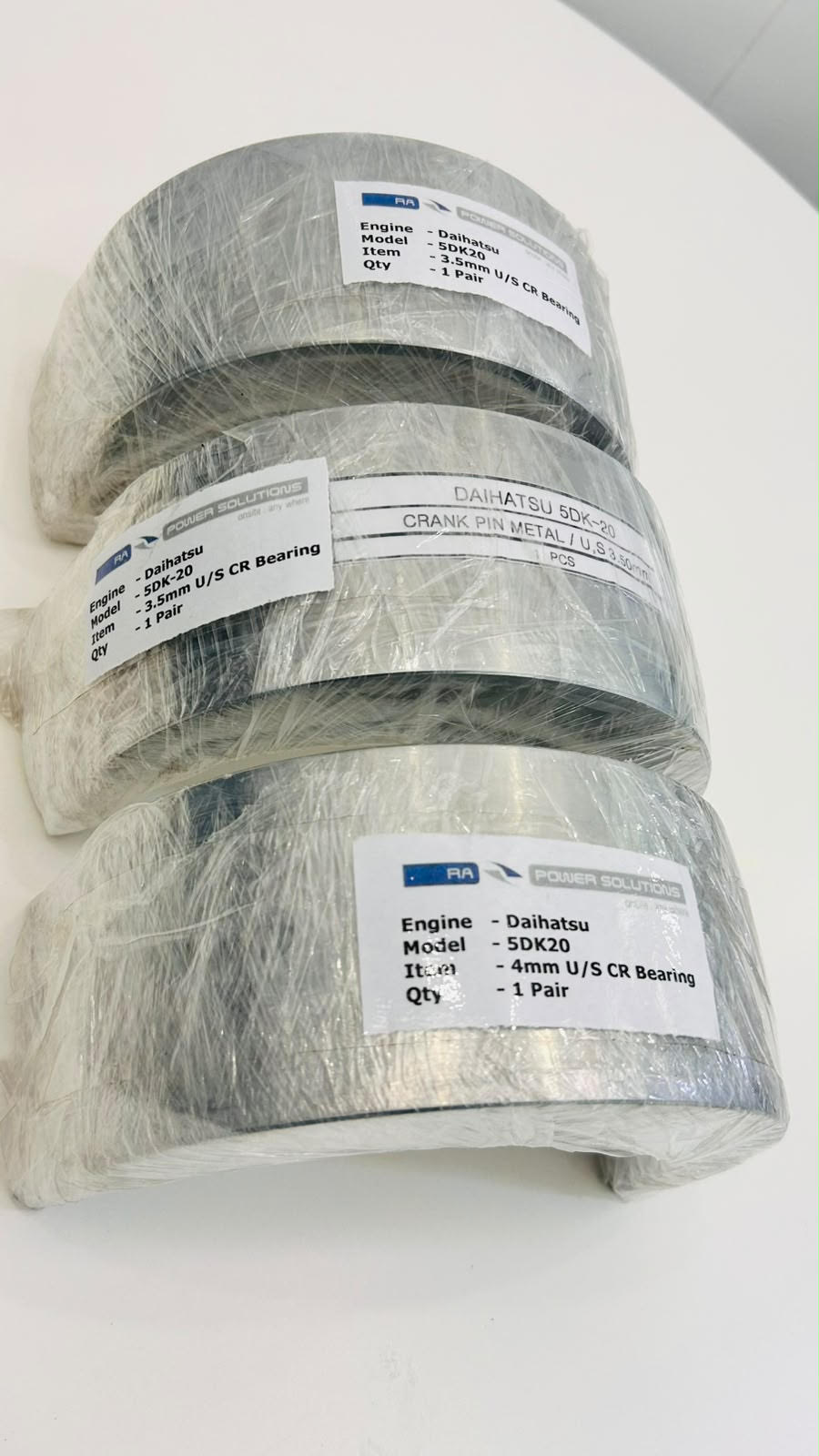
In marine engine maintenance, crankpin bearing condition directly affects engine reliability. During an overhaul, the RA Power Solutions team pays close attention to the crankpin journal, bearing condition, oil clearance, and the evidence left by previous running. A bearing may show wiping, local overheating, or fatigue damage even when the engine has continued to operate. These findings must be investigated before the engine is returned to service.
We supply crankpin bearings, including tri-metal bearings, for marine diesel engines and industrial engine applications. We also undertake crankshaft grinding and repair services where the crankpin or main journal has suffered wear or surface damage. Our work is intended for vessel operators, ship repair facilities, marine engineering contractors, and power plant maintenance teams that need a practical repair solution based on actual measurements.
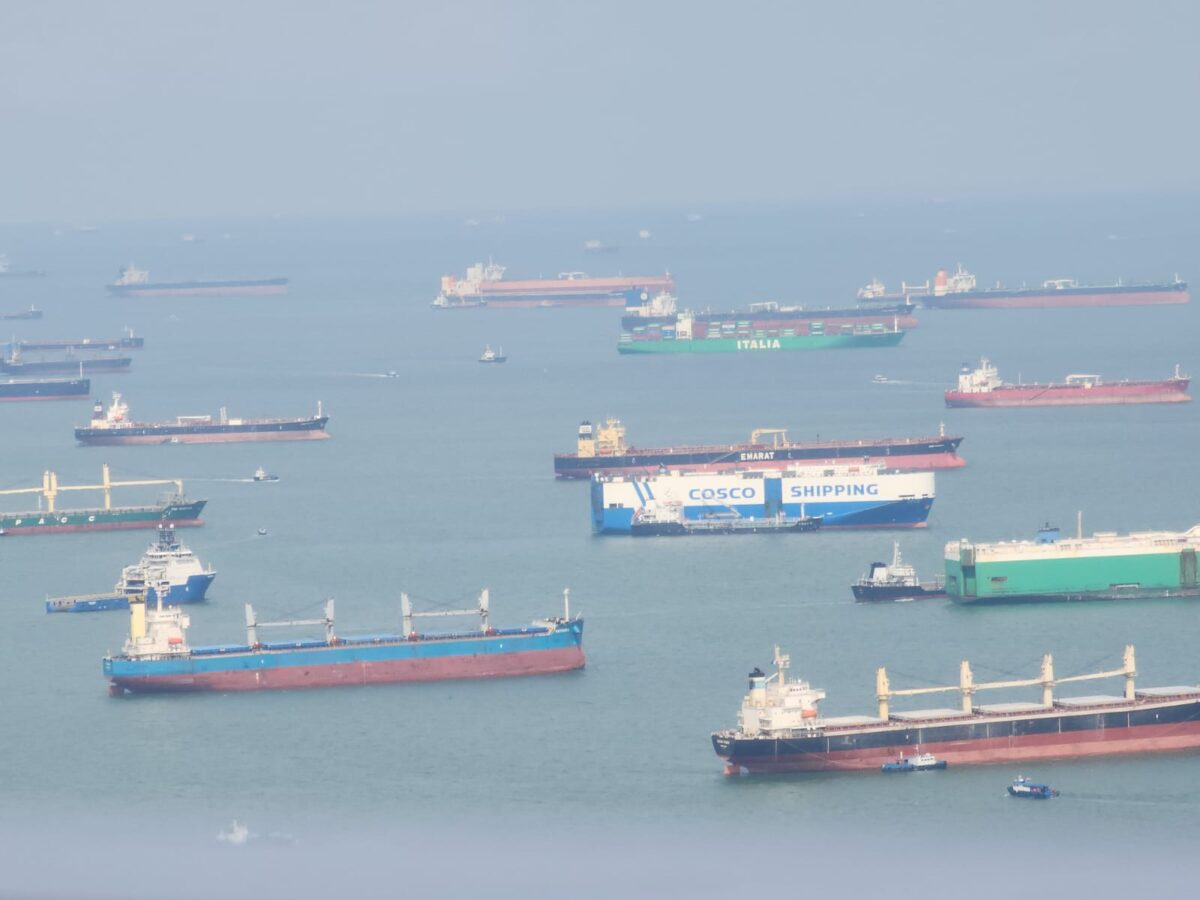
For customers operating in Russia, these requirements are relevant to marine and industrial equipment maintained around major ports and ship repair centres such as St. Petersburg, Murmansk, Novorossiysk, and Vladivostok. Russia’s marine sector also includes vessels operating in Arctic conditions and industrial facilities that depend on diesel engine generator sets. The bearing specification must be established for the particular engine and application rather than selected by dimensions alone.
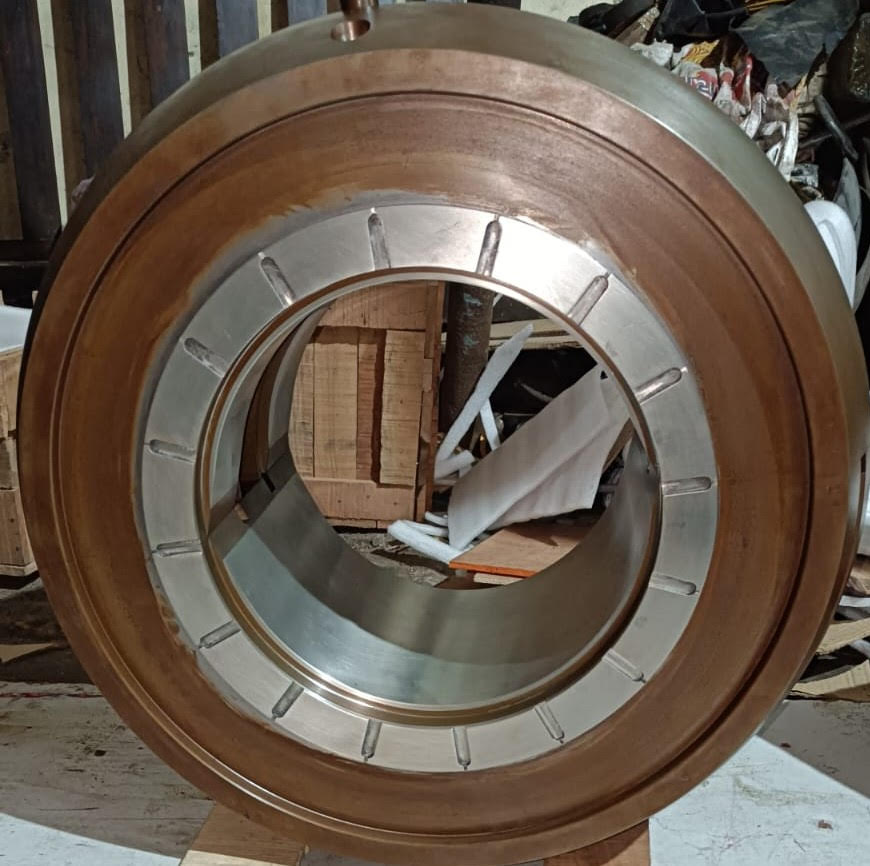
Tri-Metal Crankpin Bearings for Marine Diesel Engines
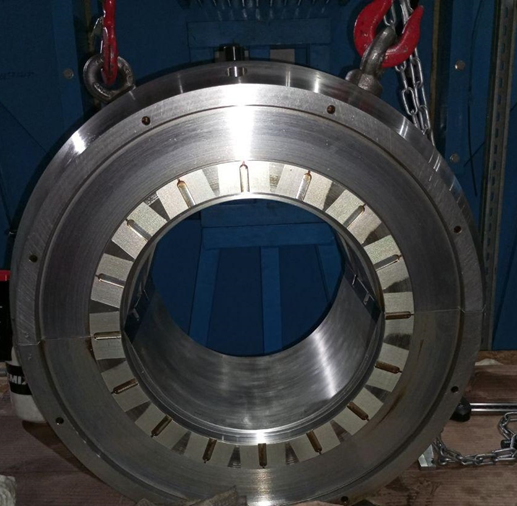
Tri-metal bearings are used in a range of heavy-duty engine applications, including marine diesel engines and stationary power generation equipment. Their layered construction combines a steel backing with bearing alloy layers designed to support the journal under operating loads. The exact material composition and construction depend on the bearing design and engine manufacturer.
In service, the bearing operates with a lubricating oil film between the journal and the bearing surface. This hydrodynamic lubrication is essential for controlling friction and limiting direct metal contact. If the oil supply is interrupted, the clearance is incorrect or the crankpin surface is damaged, the bearing can overheat and deteriorate quickly.
When supplying tri-metal crankpin bearings, we check the engine model, bearing part number, bearing dimensions, and the required clearance. We also establish whether the crankshaft remains at its standard dimensions or has previously been ground to an approved undersize. This matters because a bearing must match the actual journal dimensions and the engine manufacturer’s requirements.
A replacement bearing should not be selected solely because its nominal dimensions appear to match the removed shell. We need to establish the correct specification before installation.
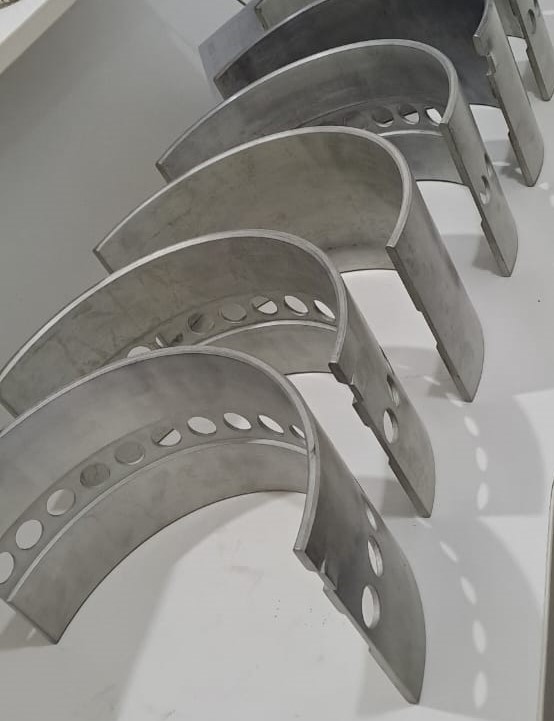
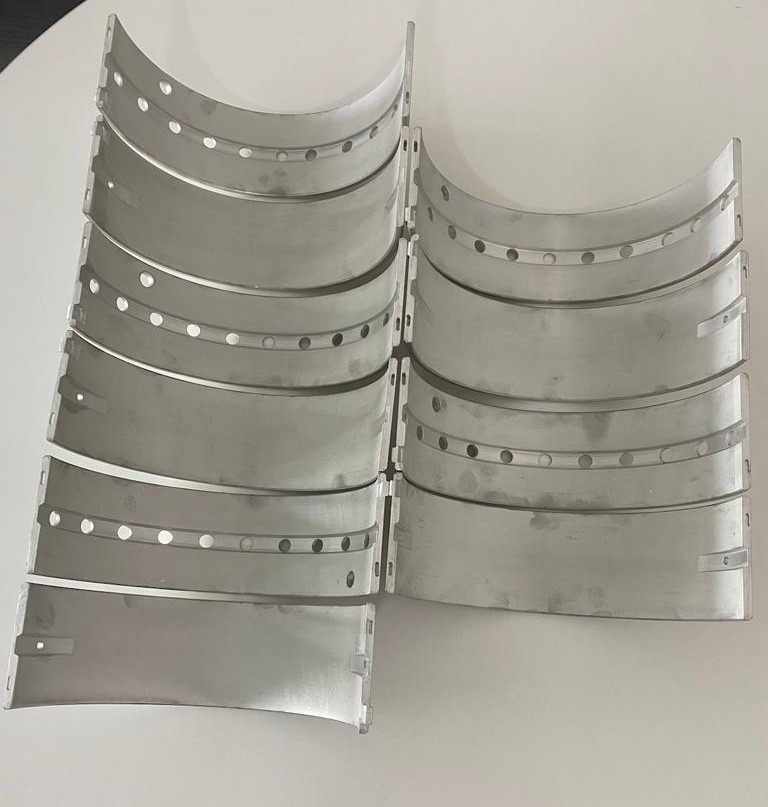
Crankpin Inspection Before Grinding or Bearing Replacement
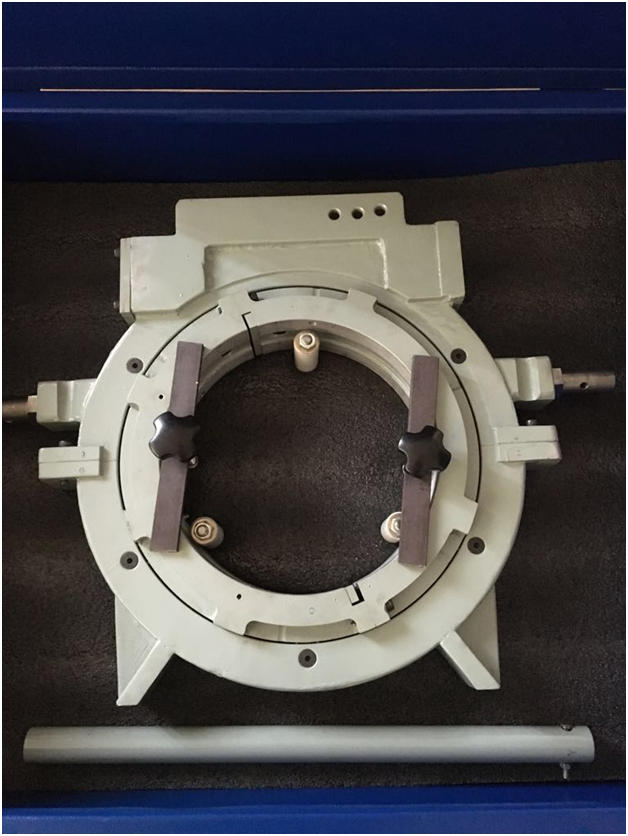
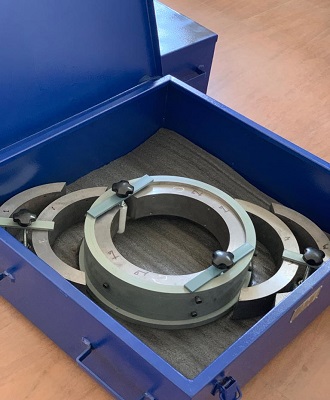
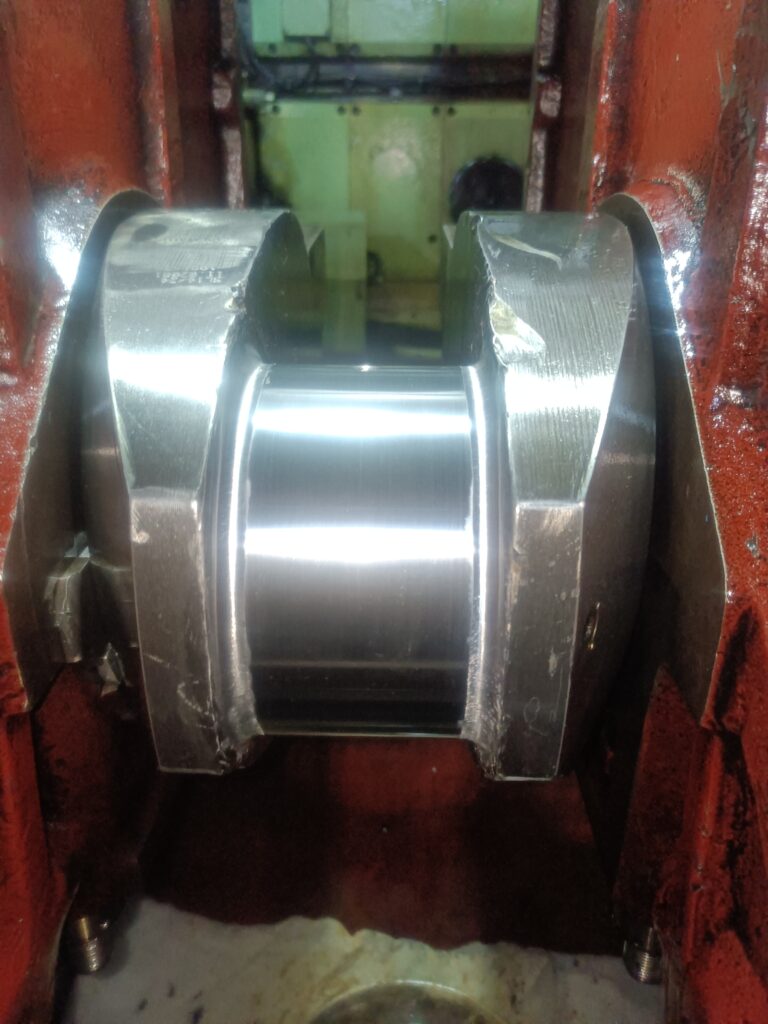
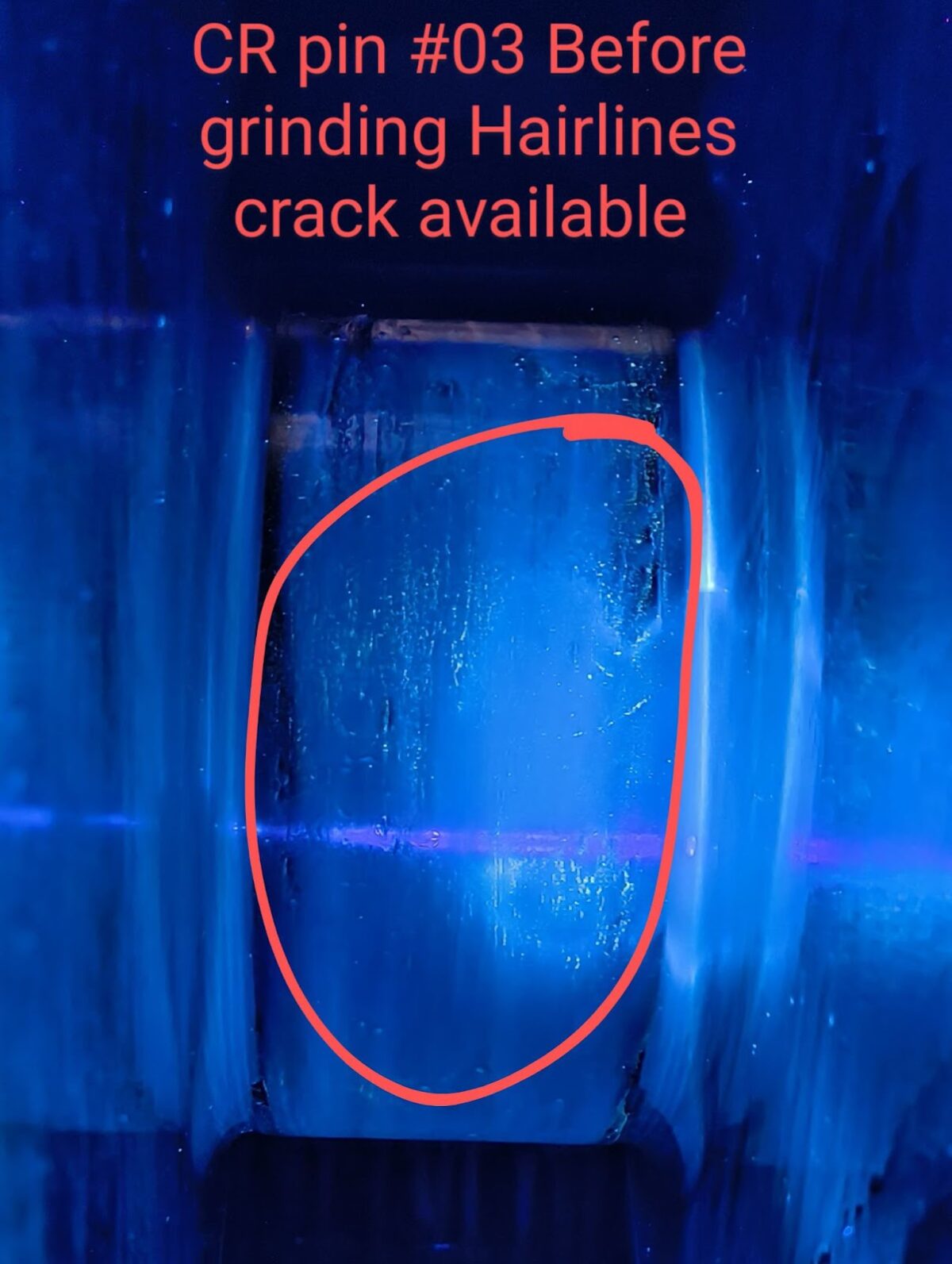
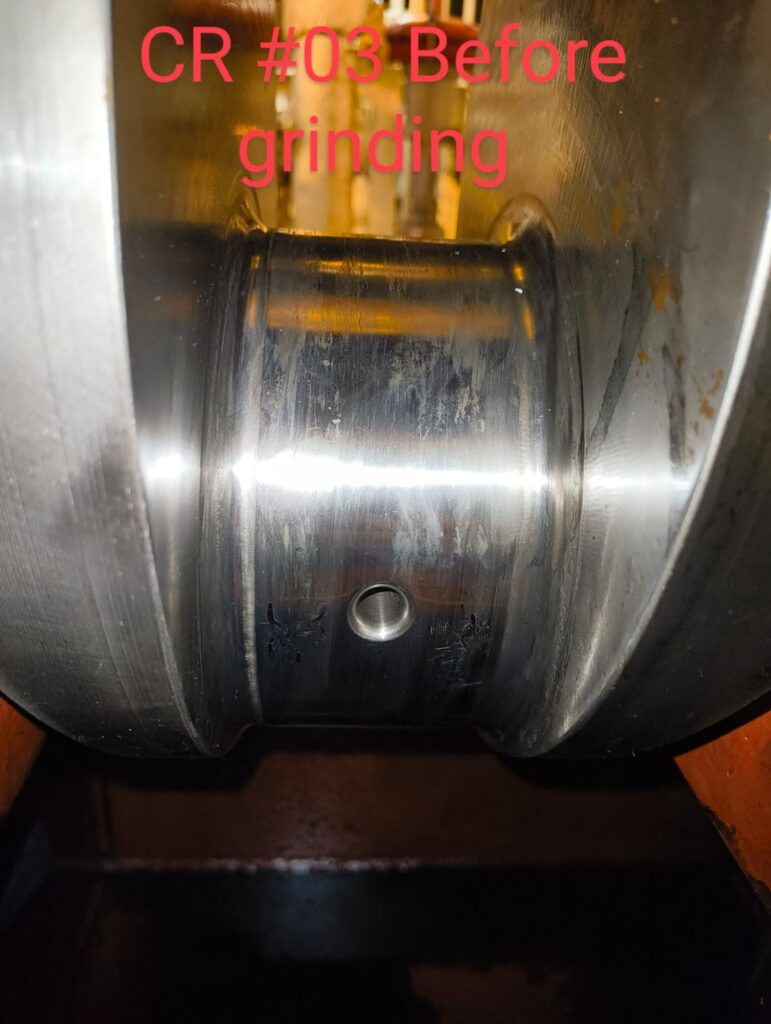
When a crankshaft is presented for repair, the first step is to establish its actual condition. We inspect the crankpin journal for scoring, local overheating, surface distress, and signs of bearing material transfer. The measurements then determine whether the journal can remain within its existing limits or requires further work.
The main checks include:
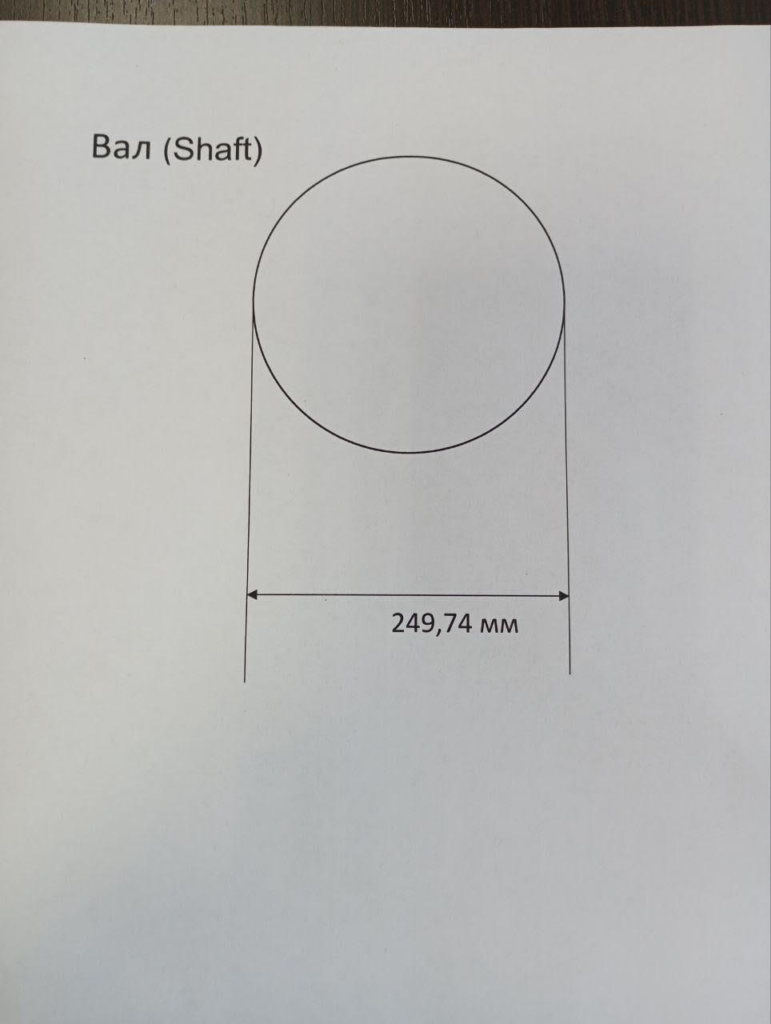
- Journal diameter: Measured at multiple positions to establish the actual dimensions.
- Ovality: Evaluated by measuring the journal in different angular positions.
- Taper: Checked across the journal width to identify dimensional variation.
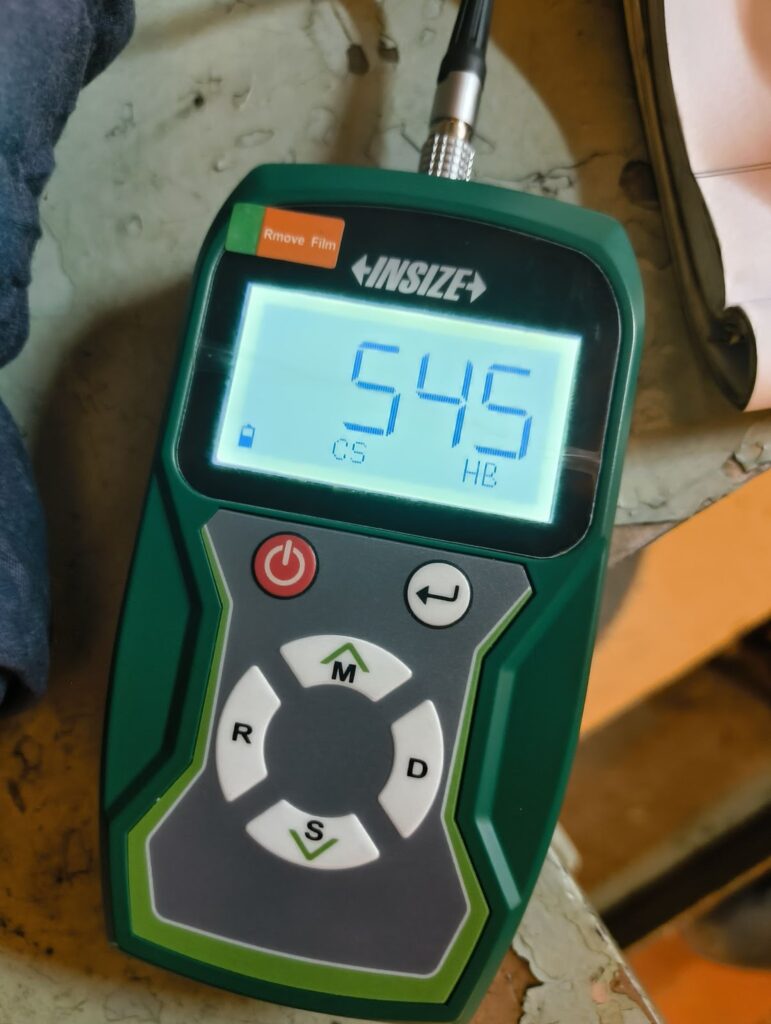
- Surface condition: Examined for scoring, overheating, bearing material transfer, and other surface damage; crack detection is carried out where required by the inspection findings or applicable repair procedure.
- Fillet radius: Checked against the applicable engine manufacturer’s requirements.
- Surface finish: Verified against the specified Ra surface finish requirements after machining.
- Bearing clearance: Established from the measured journal dimensions and the applicable bearing specification.
We compare the inspection results with the OEM limits before deciding on a repair method. The allowable regrind diameter, fillet radius, and final surface finish are engine-specific. They must not be assumed from a general bearing catalogue.
Where dimensional checks indicate that grinding is necessary, the repair must preserve the required crankpin geometry. An acceptable diameter alone does not establish that a crankshaft is fit for service.
Crankshaft Grinding and Repair Services
Crankshaft grinding is used to restore a journal to an approved diameter and surface condition when wear or damage exceeds the permitted limits for continued operation. The available repair method depends on the crankshaft design, the extent of damage, and the applicable OEM repair instructions.
Our crankshaft grinding and repair work focuses on restoring the required journal dimensions while maintaining the specified geometry. We pay particular attention to journal diameter, ovality, taper, fillet radius and surface finish. These measurements need to be assessed together because a journal that meets the diameter requirement may still be unsuitable if its geometry or surface condition is outside the permitted limits.
Where the engine design and OEM instructions permit grinding to an undersize, the corresponding undersize bearing must be identified before the repair is finalised. Availability can be a concern for older engines and equipment whose original spare parts are difficult to obtain. Establishing the required bearing size early helps the maintenance team plan the work and avoid unnecessary delays during an overhaul.
The repair scope also depends on access to the crankshaft. During a drydock period or a major engine overhaul, dismantling and inspection may be more straightforward. For an engine that remains installed onboard, access, lifting arrangements, available working space and the vessel’s operating schedule can restrict the work. In-situ repair may be appropriate in some cases, but the proposed method must be technically suitable for the actual damage.
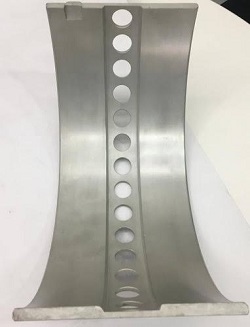
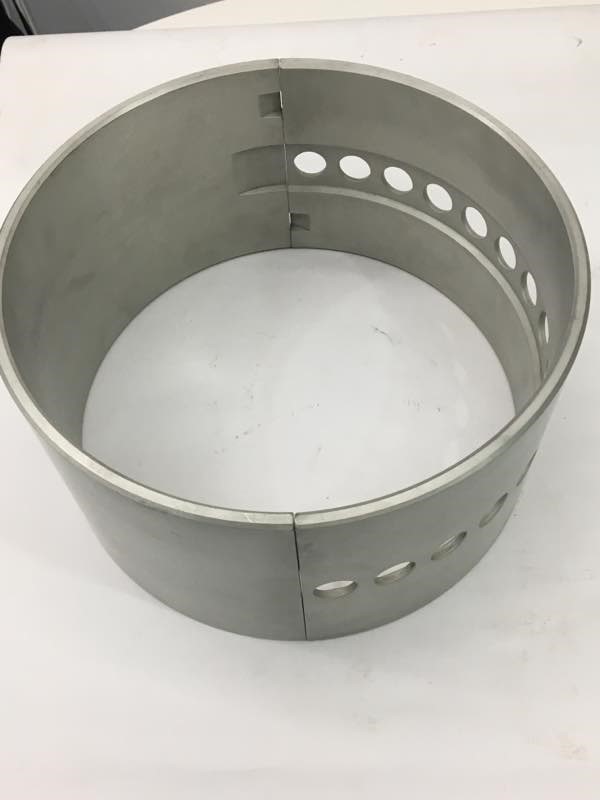
Crankpin Bearings for Ships and Power Plants in Russia
Marine operators and industrial maintenance teams in Russia may require crankpin bearings for propulsion engines, auxiliary engines, and stationary diesel generator sets. The correct bearing specification depends on the engine model, operating conditions, and the manufacturer’s dimensional requirements.
Relevant marine service and logistics locations include St. Petersburg, Murmansk, Novorossiysk, and Vladivostok.
Power plant applications require the same attention to engine identification and dimensional compatibility. Before confirming a bearing supply, we recommend obtaining the engine manufacturer, engine model, bearing part number, and any available journal measurement records. If the crankshaft has already been ground, the current journal diameter and approved undersize specification are particularly important.
We assess each requirement according to the information available for the particular engine. This reduces the risk of supplying an incorrect bearing size or selecting a bearing that does not meet the required operating clearance.
OEM Tolerances and Classification Requirements
For engines installed on classed vessels, crankshaft and bearing repairs must be assessed in accordance with the applicable OEM instructions and the vessel’s survey requirements. Depending on the vessel’s class, flag, and scope of repair, the applicable classification society may include DNV, ABS, Lloyd’s Register, or another recognized class society.
The inspection records should identify the measured journal dimensions, the repair carried out, and the final dimensions after machining. Where required, the repair procedure and inspection results must be submitted for review by the relevant surveyor or responsible technical authority.
We do not treat a generic tolerance as a substitute for the manufacturer’s limits. Permissible undersize, bearing clearance, surface finish, and fillet geometry vary between engine designs. The applicable technical documentation should determine the acceptance criteria.
Information Required for a Bearing or Crankshaft Repair Enquiry
To assess a crankpin bearing requirement accurately, please provide the following details where available:
- Engine manufacturer and model.
- Vessel name or industrial equipment application, where relevant.
- Crankpin or main journal bearing part number.
- Standard or existing undersize dimensions.
- Measured journal diameter, ovality and taper, if available.
- Photographs of the bearing and crankpin surface.
- Details of any previous grinding or crankshaft repair.
- Required delivery location in Russia or elsewhere.
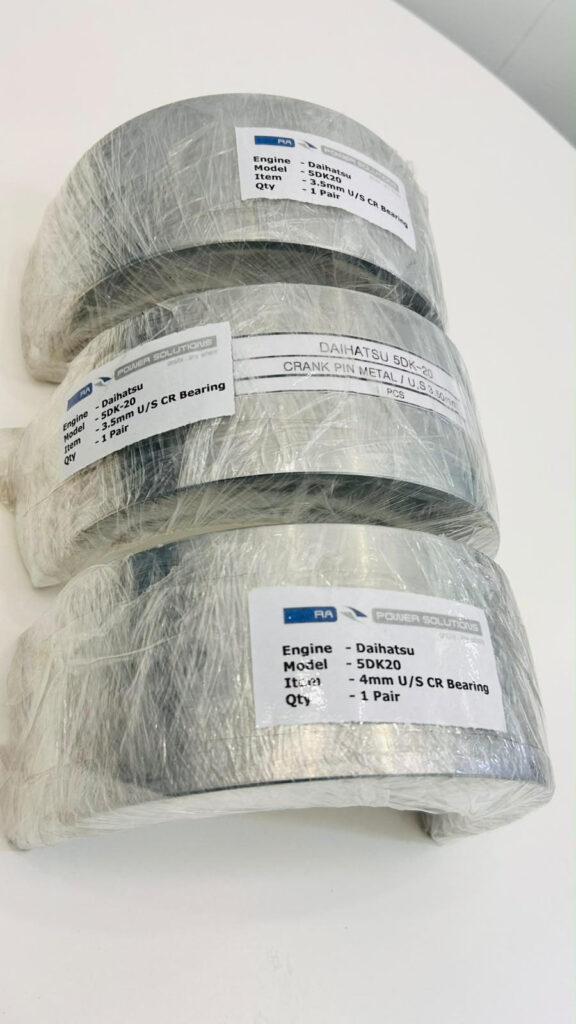
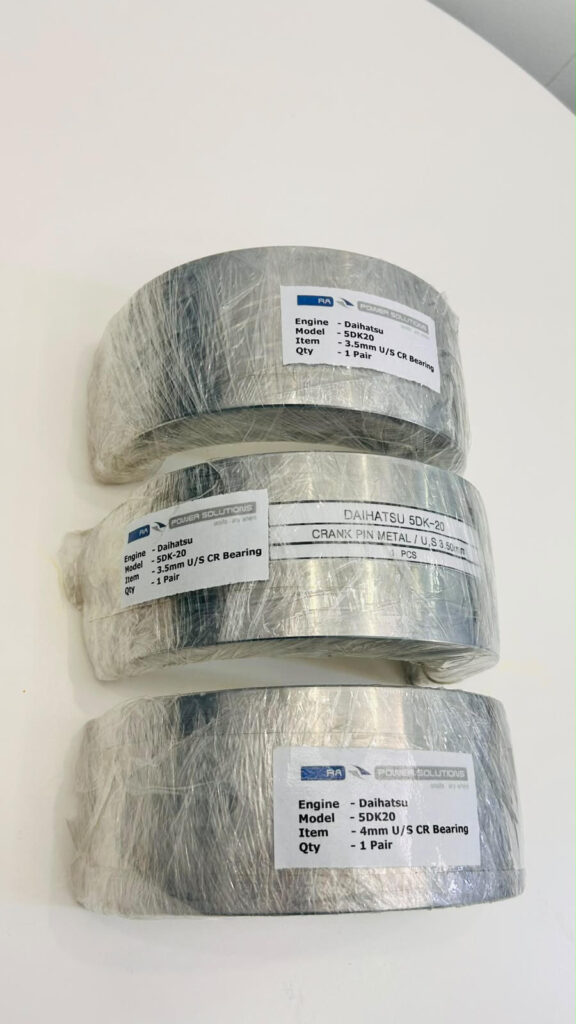
If the crankpin is damaged, inspection measurements and clear photographs help establish whether bearing replacement alone is sufficient or whether crankshaft grinding and repair should also be considered.
If you require crankpin bearings for a marine engine, diesel engine, or other industrial application, contact RA Power Solutions for technical assistance and bearing requirements. Please email us at rajshahani@rapowersolutions.com or info@rapowersolutions.com, or call us at +91 9582647131 or +91 9810012383.